Bad Drain Smells at Home? Here’s What’s Really Causing Them — and How to Fix the Problem at Its Source By Ballang Intergroup
Have you ever cleaned your bathroom until it sparkles, used every cleaning product you could find, and still noticed an unpleasant drain smell coming back?
Many homeowners assume that bad drain odors are simply caused by dirt or poor cleaning. But at Ballang Intergroup, we see it differently. In many cases, these smells are a warning sign that something deeper is wrong with the home’s sanitary system — such as a faulty smell trap, poor ventilation, improper pipe slope, or hidden blockage inside the drainage line.
Solving the problem permanently is not about pouring harsh chemicals down the drain. In fact, caustic soda and strong cleaners can sometimes damage the pipes and make the issue worse over time. The right solution starts with a proper inspection. From checking the smell trap and floor drain to examining airflow, pipe slope, and drainage performance, every detail matters. In this article, we will explain the real causes of bad drain odors and how to fix them at the source — using practical, engineering-based solutions that help bring clean, fresh air back into your home.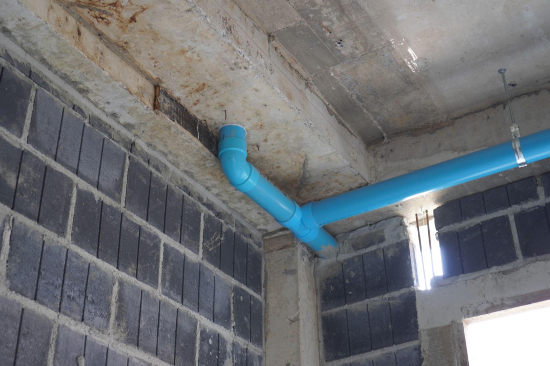
1. Identify the Root Cause: Why Does the Smell Come Back?
In a properly designed sanitary system, bad odors are normally blocked by water. This water acts as a seal that prevents gases from the drainage system from entering the house.
However, drain odors can still come back when one of these problems occurs:
• Dry P-Trap or Water Seal:
If a bathroom or floor drain has not been used for a long time, the water inside the P-Trap can evaporate. Once this water seal disappears, gases from the drainage system or septic system can travel back up through the pipe and enter the room directly.
• Siphonage Effect:
This happens when the drainage system does not have a properly installed vent stack or air ventilation pipe. When a large amount of water is flushed or drained at once, negative pressure inside the pipe can pull the water out of the smell trap. Without that water barrier, bad odors can easily flow back into the house.
• Biofilm Build-Up Inside the Pipe:
Grease, hair, soap residue, and organic waste can stick to the inside walls of the pipe. This is especially common when the pipe slope is incorrect and water does not drain properly. Over time, these materials begin to decay and produce a rotten-egg smell caused by hydrogen sulfide gas, which can keep coming back even after regular cleaning.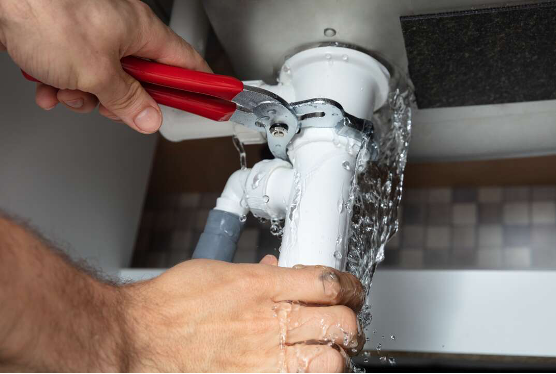
2. Fixing the Problem at the Source with Engineering-Based Solutions
At Ballang Intergroup, we do not guess the cause or rely on temporary fixes. We inspect the problem step by step, starting from the most common and cost-effective solutions first, so the repair is practical, accurate, and worth the investment.
• Inspecting and Replacing the Smell Trap or Floor Drain:
If the existing floor drain is too shallow, outdated, or unable to seal properly, we may recommend replacing it with a high-quality anti-odor floor drain. Options such as magnetic floor drains or smart flap-type drains can close automatically when water is not flowing, helping to block both bad odors and insects from coming up through the pipe.
• Improving Air Ventilation in the Drainage System:
If the problem is caused by air pressure imbalance — for example, the toilet water moves, bubbles appear, or you hear knocking sounds when water drains — the system may need better air ventilation. This can be solved by installing an additional vent pipe or using an Air Admittance Valve (AAV) to balance pressure inside the pipe and prevent the water seal from being pulled out of the trap.
• Cleaning the Drainage Pipes Properly:
Instead of using harsh chemicals that may corrode PVC pipes and damage pipe joints, we recommend safer and more effective methods. Bio-enzyme cleaners can help break down accumulated biofilm inside the pipes, while heavy blockages may require hydro jetting, a high-pressure pipe cleaning method that removes built-up grease, sludge, and debris more thoroughly.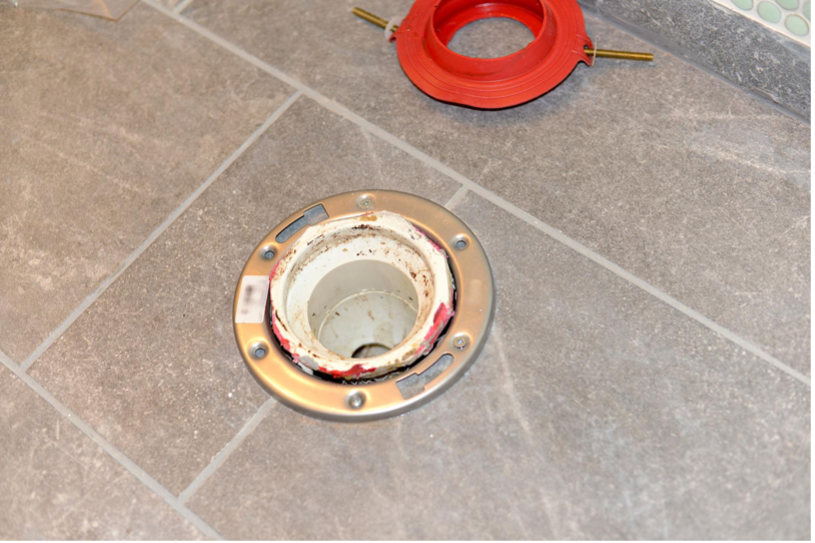
3. A Critical Point to Check: The Seal Between the Toilet and the Drain Pipe
In many cases, the bad smell does not come from the floor drain at all — it comes from under the toilet. This usually happens when the connection between the toilet and the waste pipe is not properly sealed.
• Poor Installation:
If the toilet outlet and the drain pipe are not properly aligned, or if the toilet was installed without a proper wax ring, rubber gasket, or floor flange, sewer gas can escape from the gap beneath the toilet.
• Deteriorated Sealant Around the Toilet Base:
Over time, the grout or sealant around the base of the toilet can crack, loosen, or wear away. When this happens, gases from the septic or drainage system may leak through those small gaps.
The correct solution is not simply to apply new sealant over the outside. The toilet should be removed, the connection inspected, and a new sealing gasket or wax ring installed properly to stop the odor at its source.
4. Homeowner Checklist: How to Find Where the Odor Is Leaking From
Before starting any major repair, homeowners can do a few simple checks to help identify where the smell may be coming from.
• Soap Water Test:
Apply soapy water around pipe joints or the base of the toilet. If bubbles appear or expand, it may indicate that gas is leaking from that area.
• Check the Water Level in the Trap:
Observe the water level inside the P-Trap, floor drain, or toilet bowl. If the water level drops noticeably after flushing another toilet or draining water elsewhere, the system may have a pressure imbalance that is pulling water out of the trap.
• Inspect the Outdoor Inspection Chamber:
Check the outdoor inspection chamber or drainage pit to see whether a proper odor trap is installed before the wastewater flows into the septic or treatment tank. Without this barrier, odors may travel back through the drainage system and enter the house.
Conclusion: A Fresh-Smelling Home Starts with a Proper System
Solving bad drain odors requires looking at the entire sanitary system — not just pouring cleaning chemicals down the drain. Understanding how air pressure works, how the water seal functions, and how each drainage component connects is the key to making your home truly clean, comfortable, and odor-free again.
At Ballang Intergroup, we specialize in complete sanitary system solutions for residential and commercial buildings. Our team identifies the root cause using proper tools, practical experience, and engineering-based methods to ensure that every pipe, joint, drain, and connection works as it should. With the right inspection and the right repair method, bad odors can be stopped at the source — creating a cleaner, safer, and more comfortable home environment for you and your family.