Cracking the Code on Cracks: Causes, Risks, and How to Fix Them By Ballang Intergroup
Last updated: 19 May 2026
478 Views
A home is like a living thing. It changes. It reacts. It ages. So when cracks appear on your walls, they're never random — they have causes, both inside the structure and outside it.
To fix them properly — and stop them from coming back — you need one critical first step: an accurate "diagnosis".
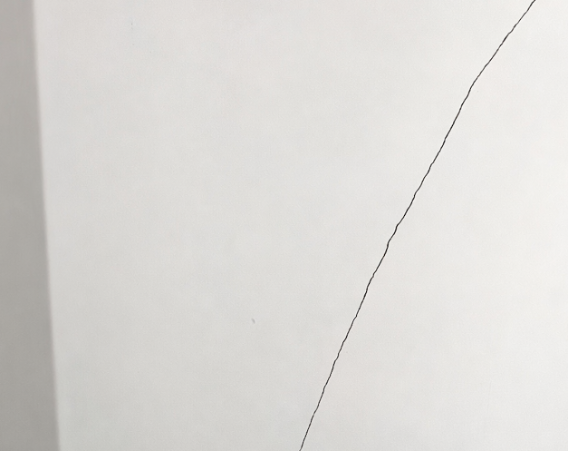
1. Surface-Level Cracks: Plastering Mistakes
Look like fine spider-web lines or small branching cracks? These are usually Hairline Cracks — caused by plastering errors, not structural issues.
- Bad Mix. Wrong cement-sand-water ratio = plaster dries too fast = shrinks = cracks (Plastic Shrinkage).
- Rushed Work. Plastering before the bricks were pre-wetted. Or layering a second coat too soon.
- Hot Sun. Plastering in direct sunlight without misting the surface. Plaster dries too fast.
Why patching alone fails: Without fixing the adhesion of the original plaster, cracks come back when temperatures shift.
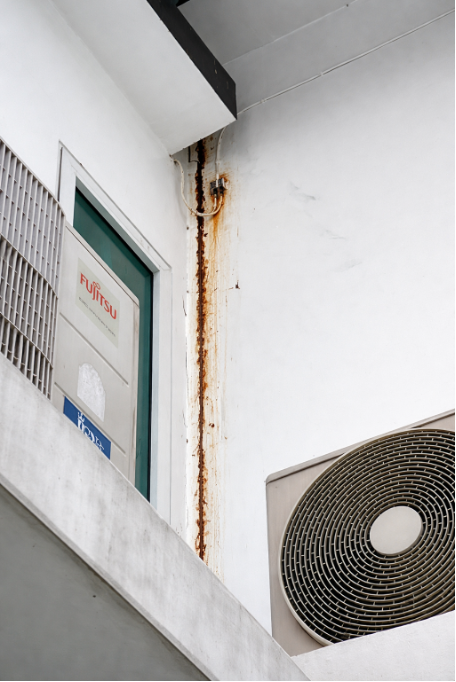
2. Structural Cracks: Real Warning Signs
Wider. Deeper. In critical locations. These cracks are serious — don't ignore them.
- 45° Cracks at Door/Window Corners. No proper support column or Lintel above — the wall can't carry the load.
- Cracks Along Columns and Beams. Brick walls separating from the concrete structure — usually because Dowels or wire mesh were skipped.
- Large Vertical or Diagonal Cracks. A possible sign of Differential Settlement — uneven foundation sinking. The most severe crack type. Get professional help immediately.
How to Fix Cracks "Permanently" — The Right Way
Properly fixing cracks isn't about filling them with cement and hoping for the best. It's about choosing flexible materials and techniques suited to the actual condition of your wall. Here's how:
- For Small Cracks (Hairline / Web Pattern) Scrape off the existing paint, then apply a high-elasticity filler — either Acrylic or Polyurethane (PU). These materials expand and contract with temperature changes, preventing the crack from returning. Finish with Elastic Paint for an additional flexible top layer.
- For Cracks at Frame Joints or Structural Corners Chip away the existing plaster around the crack, then install Wire Mesh across the joint to reinforce bonding between the two different materials (brick and concrete). Re-plaster with low-shrinkage Repair Mortar designed for structural repairs.
- For Cracks Caused by Settlement Surface repairs alone won't solve this — you're only treating the symptom. You'll need an engineer to inspect the foundation and perform Underpinning (foundation reinforcement) to stop the structural movement first. Only then can architectural surface work begin
In Summary
Wall cracks are fixable — but only with real understanding of materials and engineering. The key: attention to every detail, from diagnosis to the right chemicals.
At Ballang Intergroup, we hold ourselves to master-craftsman standards. We don't just repair cracks — we deliver peace of mind. Real technical expertise. Premium materials. Beautiful, strong work that reflects professional standards you can trust.