Home Extension Settlement: What Causes It and How Can You Prevent It? By Ballang Intergroup
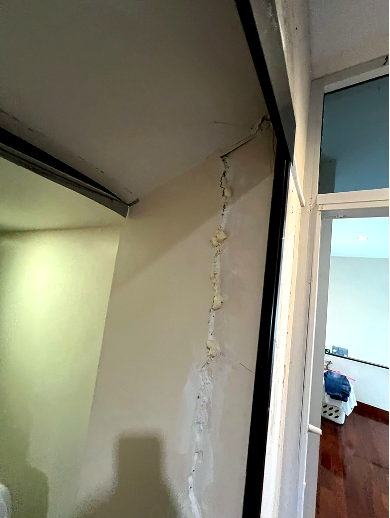
The reason why the original house and the extension area — such as a kitchen extension or car park — often separate from each other is because they do not behave the same structurally. Each part carries load and settles differently over time.
Understanding the actual site conditions in detail is therefore essential. It allows us to choose the right prevention method and reduce the risk of cracks, separation, or uneven settlement in the future.
1. Identifying the Root Cause: Why Do Home Extensions Settle?
• Differential Settlement
The main house is usually built on deep piles that reach a strong bearing layer, such as a dense sand layer. This means the main structure has little to no additional settlement over time.
However, extensions are often built on short piles or lighter foundation systems that sit on softer soil, which can continue to compress naturally year after year. As a result, the extension settles faster than the original house.
• Rigid Connection to the Existing Structure
One of the most common mistakes is directly connecting the new structure to the old one — for example, drilling reinforcement bars into the existing columns or beams.
When the extension begins to settle, it can pull against the original structure, causing cracks, separation, or even structural damage to the main house.
• Unexpected Additional Load
Using heavy materials, such as brick walls or thick floor tiles, on a structure that was not designed to carry that weight can overload the foundation. When the soil underneath cannot support the load properly, the extension may begin to sink or settle much faster than expected.
2. How to Prevent Settlement Problems Properly
If you do not want the extension to crack, separate, or pull away from the main house later, there are three key principles that should be followed from the beginning.
A. Separate the Structures Clearly
The extension should be designed as an independent structure that can move or settle on its own without pulling against the original house.
• Double Columns
The extension should have its own columns and beams. It should not rely on the existing house columns or walls to carry its load.
• Expansion Joint
A small gap of around 1–2 cm should be left between the existing wall and the new extension wall. This joint should then be sealed with flexible waterproof materials, such as polyurethane sealant (PU sealant) or covered with proper flashing.
This helps prevent water leakage while still allowing the two structures to move independently.
B. Choose the Right Type of Pile
• For minimum settlement:
Micropiles are usually the best option. They can be driven deep enough to reach a strong bearing soil layer, similar to the original house foundation. In Bangkok and surrounding areas, this may be around 18–21 meters deep, depending on the soil condition and engineering assessment.
This helps the extension settle at a rate closer to the main house and provides better long-term stability.
• For budget-conscious projects using short piles:
Some settlement should be expected. In this case, the structural separation joint becomes even more important. The extension must be properly separated from the main house so that any future settlement does not pull or damage the original structure.
C. Reduce the Structural Weight
The lighter the extension, the lower the risk of settlement.
• Use lightweight wall materials
Choose lightweight concrete blocks instead of traditional clay bricks, or use lightweight wall systems such as fiber cement wall panels.
• Use lightweight roofing systems
A lightweight steel roof structure and roofing materials that are not excessively heavy can help reduce the load on the foundation.
3. Warning Signs That Should Be Fixed Immediately
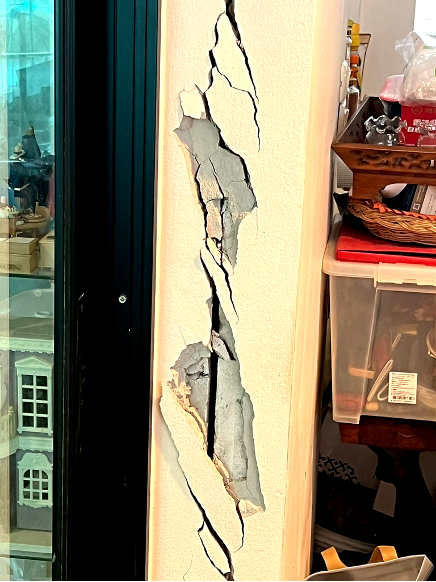
• A vertical crack at the joint between the main house and the extension keeps getting wider
This may indicate that the extension is settling separately from the original structure and beginning to pull away.
• The extension floor starts to slope toward or away from the main house
Uneven floor levels are a clear sign of differential settlement. If left untreated, the problem may become more severe and affect walls, doors, windows, or drainage lines.
• Underground drainage pipes become disconnected due to ground settlement
When the extension sinks, underground wastewater pipes may shift, crack, or separate at the joints. This can lead to water leakage, bad odors, blocked drains, or soil erosion under the floor.
These signs should not be ignored. Once structural movement becomes visible, a professional inspection should be carried out as soon as possible to identify the cause and prevent the damage from spreading.
Conclusion: Prevent Settlement Problems with Proper Engineering Knowledge
Home extensions may seem simple, but building an extension that does not sink, crack, or pull against the main house requires proper engineering knowledge and accurate load calculation.
If structural separation, pile selection, or foundation planning feels too complex or too risky to leave to general contractors, let Ballang Intergroup take care of it for you.
We are not just a construction contractor. We apply structural engineering standards to every extension project we handle. Our team carefully analyzes the site conditions, foundation requirements, and structural details to ensure that your new extension is strong, stable, and built to last — without the ongoing worry of cracks or settlement problems.