คู่มือตรวจเช็กบ้านมือสอง: บ้านมือสองควรตรวจอะไรบ้างก่อนตัดสินใจรีโนเวท โดย บัลลังก์อินเตอร์กรุ๊ป
Last updated: 8 May 2026
347 Views
Buying a second-hand home isn't just paperwork. It's inheriting a building's "health" — and taking on the responsibility of looking after it.
Many buyers dream of magazine-perfect modern renovations. But the real challenge isn't tile colors or furniture — it's examining the heart of the home, down to the core. A real renovation starts with a solid foundation, not cosmetic surgery hiding the cracks.
Imagine: millions spent on a dream kitchen, only to discover one year later that underground pipes have leaked, the structure is sinking, or the wiring is a fire hazard. Painful.
In this article, Ballang Intergroup walks you through the "pro homeowner" checklist — a deep scan of any older home before you invest. So your new home is a valuable asset, not a burden of endless repairs.
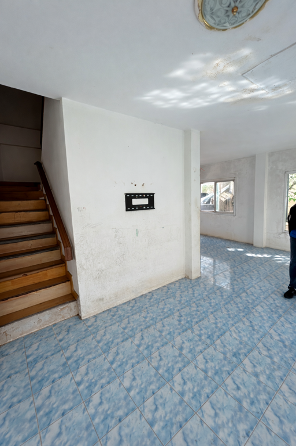
1. The Main Structure: The Backbone You Can't Ignore
The first thing to check is the structural integrity of the home — because it's the hardest and most expensive part to fix later. Pay close attention to:
- Foundation Settlement Look for 45-degree diagonal cracks on walls, or gaps at the joints between the original building and any extensions. If the settlement is still ongoing (an Active Crack), it can damage any future renovations you put in.
- Beams and Columns Check for cracks deep enough to expose the reinforcement steel inside. Watch for Concrete Spalling — when rusted steel reinforcement expands and pushes the concrete apart, breaking it open. This is a serious safety warning sign.
- Floor Level Try a simple test — place a tennis ball on the floor, or use a laser level to check for tilt. If the floor noticeably slopes, it may indicate settlement of the underground structure below.
2. Plumbing & Electrical: The Main Arteries of the Home
Older homes often come with systems that have deteriorated over time — or weren't designed for modern appliances. These are the issues to check carefully:
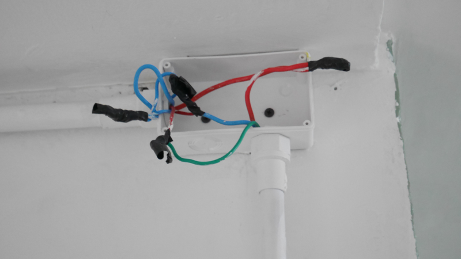
- Electrical System Check the Consumer Unit (electrical panel) — does it have a proper grounding wire? Are the wires brittle from age, or showing any burn marks? If the home is over 15–20 years old, it's strongly recommended to plan a complete rewiring for fire safety.
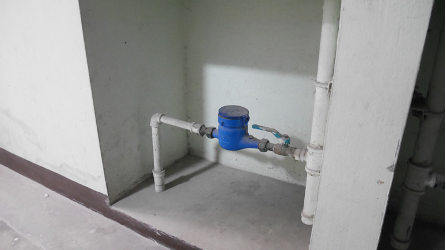
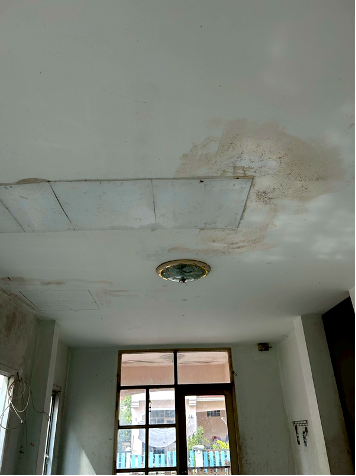
- Plumbing & Water Leaks Look for water stains on the ceiling, especially below upstairs bathrooms. Then try a simple test: close every water valve in the house, and check whether the water meter is still running. If it is, you likely have hidden leaks — either underground or inside the walls.
3. Roofing & Ceilings: The Skin of the Home
The most common problem in second-hand homes is roof leaks — which often hide in places you can't see on a sunny day. Pay close attention to:
- Roof Tile Condition Check for cracks, loose, or misaligned tiles. Watch for moss or algae stains, which indicate water pooling.
- Roof Structure If it's a wooden roof frame, inspect for termite damage and wood rot. If it's steel, check for pitted rust — deep corrosion that can quietly weaken the entire structure.
- Gutters and Drainage Often the most overlooked part of the home — but if they're blocked or damaged, they create big problems fast.
4. Surroundings and Existing Extensions
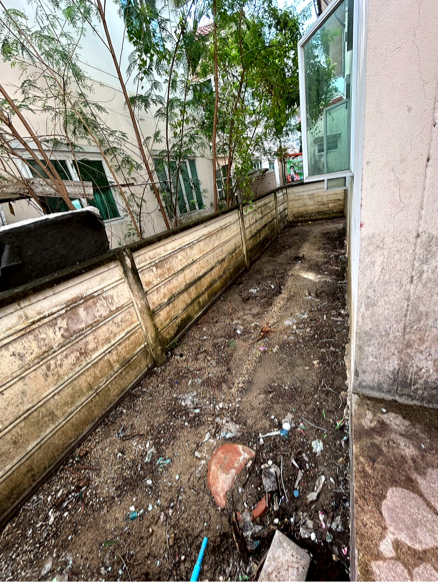
Some of the biggest risks aren't inside the home itself — they're on the property line and the road outside. Don't overlook these:
- Setbacks and Legal Compliance Check whether any existing extensions (like a backyard kitchen or carport) were built legally and don't encroach on neighboring properties. Catching this now prevents costly disputes after you move in.
- Road Level vs. Floor Level Compare the home's floor level to the road outside. In Bangkok, roads are continuously resurfaced and raised over the years — and many older homes have ended up sitting in a low-point that collects water during heavy rain. If you see this gap, plan ahead for floor raising or a sump-pump system.
Conclusion
A successful second-hand home renovation isn't measured by how beautiful it looks on the day the work is finished — it's measured by how strong and functional it remains for years to come. A thorough inspection before any work begins helps you keep your budget under control, and avoids the endless cycle of patching symptoms instead of fixing root causes.
At Ballang Intergroup, we're more than a contractor — we're a trusted partner from the very first site visit. With deep experience and technical expertise, we'll help you assess the true condition of your second-hand home — honestly and transparently — and plan a renovation that's both worthwhile and built to the highest standards. So your old home doesn't just come back to life. It becomes a strong, stable foundation for your future.
Many buyers dream of magazine-perfect modern renovations. But the real challenge isn't tile colors or furniture — it's examining the heart of the home, down to the core. A real renovation starts with a solid foundation, not cosmetic surgery hiding the cracks.
Imagine: millions spent on a dream kitchen, only to discover one year later that underground pipes have leaked, the structure is sinking, or the wiring is a fire hazard. Painful.
In this article, Ballang Intergroup walks you through the "pro homeowner" checklist — a deep scan of any older home before you invest. So your new home is a valuable asset, not a burden of endless repairs.
1. The Main Structure: The Backbone You Can't Ignore
The first thing to check is the structural integrity of the home — because it's the hardest and most expensive part to fix later. Pay close attention to:
- Foundation Settlement Look for 45-degree diagonal cracks on walls, or gaps at the joints between the original building and any extensions. If the settlement is still ongoing (an Active Crack), it can damage any future renovations you put in.
- Beams and Columns Check for cracks deep enough to expose the reinforcement steel inside. Watch for Concrete Spalling — when rusted steel reinforcement expands and pushes the concrete apart, breaking it open. This is a serious safety warning sign.
- Floor Level Try a simple test — place a tennis ball on the floor, or use a laser level to check for tilt. If the floor noticeably slopes, it may indicate settlement of the underground structure below.
2. Plumbing & Electrical: The Main Arteries of the Home
Older homes often come with systems that have deteriorated over time — or weren't designed for modern appliances. These are the issues to check carefully:
- Electrical System Check the Consumer Unit (electrical panel) — does it have a proper grounding wire? Are the wires brittle from age, or showing any burn marks? If the home is over 15–20 years old, it's strongly recommended to plan a complete rewiring for fire safety.
- Plumbing & Water Leaks Look for water stains on the ceiling, especially below upstairs bathrooms. Then try a simple test: close every water valve in the house, and check whether the water meter is still running. If it is, you likely have hidden leaks — either underground or inside the walls.
3. Roofing & Ceilings: The Skin of the Home
The most common problem in second-hand homes is roof leaks — which often hide in places you can't see on a sunny day. Pay close attention to:
- Roof Tile Condition Check for cracks, loose, or misaligned tiles. Watch for moss or algae stains, which indicate water pooling.
- Roof Structure If it's a wooden roof frame, inspect for termite damage and wood rot. If it's steel, check for pitted rust — deep corrosion that can quietly weaken the entire structure.
- Gutters and Drainage Often the most overlooked part of the home — but if they're blocked or damaged, they create big problems fast.
4. Surroundings and Existing Extensions
Some of the biggest risks aren't inside the home itself — they're on the property line and the road outside. Don't overlook these:
- Setbacks and Legal Compliance Check whether any existing extensions (like a backyard kitchen or carport) were built legally and don't encroach on neighboring properties. Catching this now prevents costly disputes after you move in.
- Road Level vs. Floor Level Compare the home's floor level to the road outside. In Bangkok, roads are continuously resurfaced and raised over the years — and many older homes have ended up sitting in a low-point that collects water during heavy rain. If you see this gap, plan ahead for floor raising or a sump-pump system.
Conclusion
A successful second-hand home renovation isn't measured by how beautiful it looks on the day the work is finished — it's measured by how strong and functional it remains for years to come. A thorough inspection before any work begins helps you keep your budget under control, and avoids the endless cycle of patching symptoms instead of fixing root causes.
At Ballang Intergroup, we're more than a contractor — we're a trusted partner from the very first site visit. With deep experience and technical expertise, we'll help you assess the true condition of your second-hand home — honestly and transparently — and plan a renovation that's both worthwhile and built to the highest standards. So your old home doesn't just come back to life. It becomes a strong, stable foundation for your future.