Metal Sheet Roofing: Is It a Good Choice? Key Pros and Cons to Know By Ballang Intergroup
Last updated: 19 May 2026
570 Views
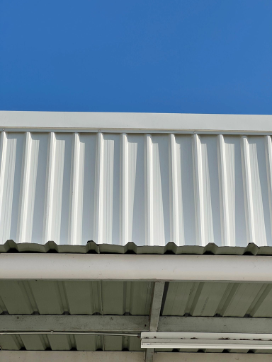
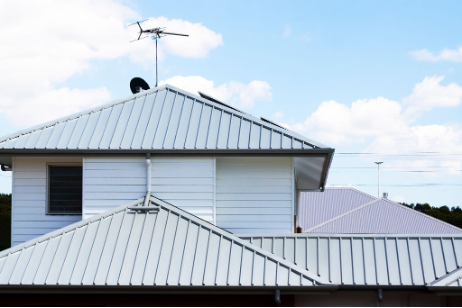
Metal sheet roofing is made from roll-formed steel sheets coated with anti-rust protection, commonly Aluzinc. Although it may look like a simple material that is easy to install, achieving long-term performance requires more than just fastening the sheets with screws.
1. Key Advantages
• Lightweight Structure
Metal sheet roofing is much lighter than concrete roof tiles. This helps reduce the load on the roof truss and overall structure, which can also lower the cost of structural steel.
• Fewer Joints, Lower Risk of Leakage
Because metal sheets can be produced in long spans according to the required roof length, there are fewer horizontal joints between panels. This helps reduce the risk of water seeping through overlapping joints, which is a common issue with some traditional roofing materials.
• Suitable for Low-Pitch Roofs
Metal sheet roofing can be installed on roofs with a relatively low slope, often from around 3–5 degrees upward, depending on the product and installation details. This makes it suitable for modern-style homes, lean-to roofs, carports, and extensions where a steep roof design may not be possible.
2. Challenges That Must Be Properly Managed
• Noise Control
One of the main drawbacks of metal sheet roofing is noise. When heavy rain hits the steel surface, it can create loud impact sounds that may disturb comfort and relaxation inside the home.
• Heat Transfer
Steel conducts heat quickly. Without proper insulation or ventilation, the temperature beneath the roof can rise rapidly, making the space below feel hotter and less comfortable.
• Corrosion Around Edges and Screw Points
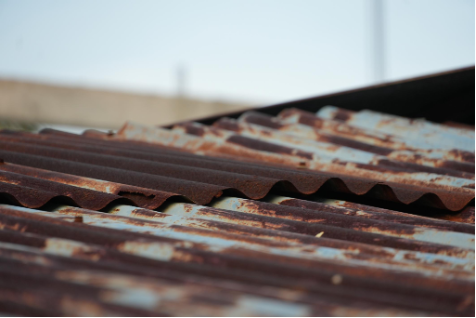
If low-grade sheets are used, or if the installation is not done correctly, rust may begin around screw holes, cut edges, and exposed joints. These are usually the first areas where corrosion appears, especially if sealing and waterproofing details are not properly handled.
3. Professional Solutions: Turning Metal Sheet Weaknesses into Strengths
At Ballang Intergroup, we improve metal sheet roofing performance with proper installation methods and material selection designed to solve the common problems mentioned above.
• Heat and Sound Insulation Systems
PE Foam is a cost-effective option that can help reduce heat and rain noise to a certain level.
For better performance, PU Foam or Sandwich Panels are a stronger solution. With a foam thickness of around 1–2 inches, they provide excellent heat insulation and can significantly reduce rain noise, making the space below more comfortable.
• Choosing the Right Sheet Grade: BMT & Coating
We recommend using metal sheets with a base metal thickness (BMT) of at least 0.35 mm and an AZ150 anti-corrosion coating for better long-term durability. Choosing the right sheet grade helps reduce the risk of rust, deformation, and premature deterioration.
• Proper Screw Installation Technique
The screws should come with high-quality EPDM rubber washers to prevent water leakage. They must also be tightened correctly — not too loose and not too tight — because over-tightening can damage the washer, while under-tightening can leave gaps for water to seep through.
Conclusion: Is Metal Sheet Roofing Really Worth It?
The answer is yes — if you choose the right sheet grade and insulation system for the space. Metal sheet roofing is cost-effective, fast to install, modern, and highly practical. However, if your priority is a quieter and cooler indoor environment without investing in premium insulation, traditional roof tiles may be a better fit.
If you are unsure which roofing system is right for your budget, design, and home function — or if the material specifications on the market feel too complicated — Ballang Intergroup is ready to help. Our team can assess everything from the steel roof structure to the most suitable insulation system, ensuring that your roof does more than protect your home from sun and rain. It should also improve comfort, reduce unwanted noise, and help create a cooler, more pleasant living environment.
1. Key Advantages
• Lightweight Structure
Metal sheet roofing is much lighter than concrete roof tiles. This helps reduce the load on the roof truss and overall structure, which can also lower the cost of structural steel.
• Fewer Joints, Lower Risk of Leakage
Because metal sheets can be produced in long spans according to the required roof length, there are fewer horizontal joints between panels. This helps reduce the risk of water seeping through overlapping joints, which is a common issue with some traditional roofing materials.
• Suitable for Low-Pitch Roofs
Metal sheet roofing can be installed on roofs with a relatively low slope, often from around 3–5 degrees upward, depending on the product and installation details. This makes it suitable for modern-style homes, lean-to roofs, carports, and extensions where a steep roof design may not be possible.
2. Challenges That Must Be Properly Managed
• Noise Control
One of the main drawbacks of metal sheet roofing is noise. When heavy rain hits the steel surface, it can create loud impact sounds that may disturb comfort and relaxation inside the home.
• Heat Transfer
Steel conducts heat quickly. Without proper insulation or ventilation, the temperature beneath the roof can rise rapidly, making the space below feel hotter and less comfortable.
• Corrosion Around Edges and Screw Points
If low-grade sheets are used, or if the installation is not done correctly, rust may begin around screw holes, cut edges, and exposed joints. These are usually the first areas where corrosion appears, especially if sealing and waterproofing details are not properly handled.
3. Professional Solutions: Turning Metal Sheet Weaknesses into Strengths
At Ballang Intergroup, we improve metal sheet roofing performance with proper installation methods and material selection designed to solve the common problems mentioned above.
• Heat and Sound Insulation Systems
PE Foam is a cost-effective option that can help reduce heat and rain noise to a certain level.
For better performance, PU Foam or Sandwich Panels are a stronger solution. With a foam thickness of around 1–2 inches, they provide excellent heat insulation and can significantly reduce rain noise, making the space below more comfortable.
• Choosing the Right Sheet Grade: BMT & Coating
We recommend using metal sheets with a base metal thickness (BMT) of at least 0.35 mm and an AZ150 anti-corrosion coating for better long-term durability. Choosing the right sheet grade helps reduce the risk of rust, deformation, and premature deterioration.
• Proper Screw Installation Technique
The screws should come with high-quality EPDM rubber washers to prevent water leakage. They must also be tightened correctly — not too loose and not too tight — because over-tightening can damage the washer, while under-tightening can leave gaps for water to seep through.
Conclusion: Is Metal Sheet Roofing Really Worth It?
The answer is yes — if you choose the right sheet grade and insulation system for the space. Metal sheet roofing is cost-effective, fast to install, modern, and highly practical. However, if your priority is a quieter and cooler indoor environment without investing in premium insulation, traditional roof tiles may be a better fit.
If you are unsure which roofing system is right for your budget, design, and home function — or if the material specifications on the market feel too complicated — Ballang Intergroup is ready to help. Our team can assess everything from the steel roof structure to the most suitable insulation system, ensuring that your roof does more than protect your home from sun and rain. It should also improve comfort, reduce unwanted noise, and help create a cooler, more pleasant living environment.