Laminate, Melamine, or Solid Wood — Which Material Is Really Worth It? By Ballang Intergroup
Last updated: 19 May 2026
453 Views
When choosing furniture or discussing built-in work with a contractor, you will often hear three material names again and again: melamine, laminate, and solid wood.
At first glance, they may all look similar. Many come with wood-grain finishes, smooth surfaces, and colors that closely resemble natural wood. So it is completely normal for homeowners to wonder: what is the real difference between them?
In reality, these three materials are like the “three siblings” of the interior design world. They dominate the market because they cover a wide range of budgets, durability levels, and design needs — from cost-effective ready-made wardrobes to premium built-in furniture for luxury homes.
The challenge is that many homeowners choose materials based only on appearance. But what lies beneath the surface matters just as much as the design itself. Choosing the wrong material can affect not only how the furniture looks, but also how long it lasts, how easy it is to maintain, and whether it is truly worth the investment. In this article, Ballang Intergroup will walk you through the key differences between melamine, laminate, and solid wood — helping you choose the material that best suits your home, lifestyle, and budget.
1. Melamine: A Cost-Effective Choice for Interior Work
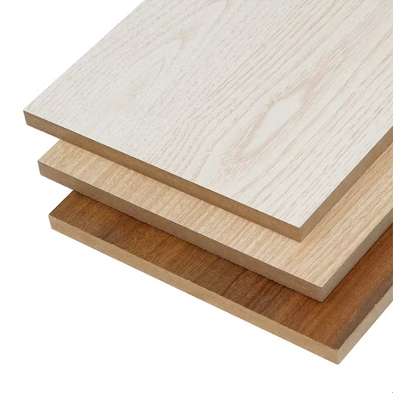
Melamine is not the wood itself. It is a resin-coated decorative paper that is pressed onto particle board or MDF using heat and high pressure. This creates a finished surface that can imitate wood grain, solid colors, or modern decorative patterns.
• Technical Insight:
The melamine surface bonds tightly to the board, creating a smooth, consistent, and low-maintenance finish. It offers a basic level of resistance to scratches, heat, stains, and common household chemicals, making it suitable for everyday interior use.
• Advantages:
Melamine is one of the most budget-friendly options for built-in furniture. It is easy to clean, available in many colors and patterns, and provides a clean, uniform look. Because the surface is already finished, it also helps reduce production time compared to natural wood or sprayed paint finishes.
• Limitations:
Melamine does not perform well in areas with constant moisture or water exposure. If water seeps into the edges, the inner board can swell easily. For this reason, edge sealing and proper edge banding are very important. It is also not ideal for furniture that needs to withstand heavy impact, outdoor conditions, or long-term humidity.
2. Laminate (HPL – High Pressure Laminate): Built for Durability and Design Flexibility
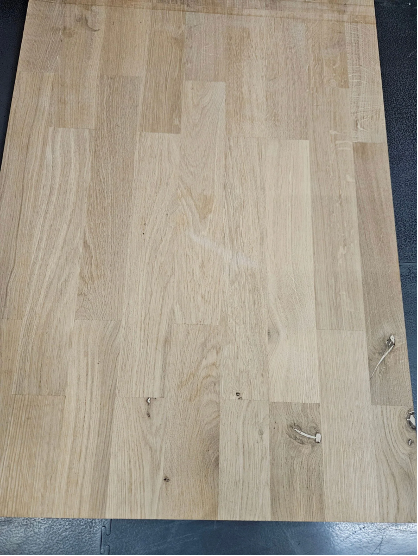
Laminate, especially HPL or High Pressure Laminate, is more advanced than melamine. It is made by pressing multiple layers of kraft paper together with resin under very high pressure, creating a strong sheet material that is usually around 0.6–1.0 mm thick. This sheet is then applied onto a structural board such as MDF, plywood, or particle board.
• Technical Insight:
Because laminate has multiple compressed layers, it offers much higher resistance to impact, scratches, and daily wear compared to melamine. It is also available in more realistic textures, such as embossed wood grain, deep natural wood patterns, stone finishes, marble effects, matte surfaces, and glossy decorative designs.
• Advantages:
Laminate is strong, durable, and suitable for areas that require heavier use. It has a longer service life than melamine and offers a much wider range of design options — from natural wood and stone patterns to metal, leather, fabric, and modern solid-color finishes. This makes it a popular choice for premium built-in furniture, kitchen cabinets, countertops, wall panels, and commercial interiors.
• Limitations:
Laminate is more expensive than melamine, both in terms of material and installation. It also requires skilled workmanship. If the surface is not properly glued, pressed, or edge-finished, problems such as peeling, lifting, or visible seams may occur over time, especially around corners and edges.
3. Solid Wood: Timeless Natural Value
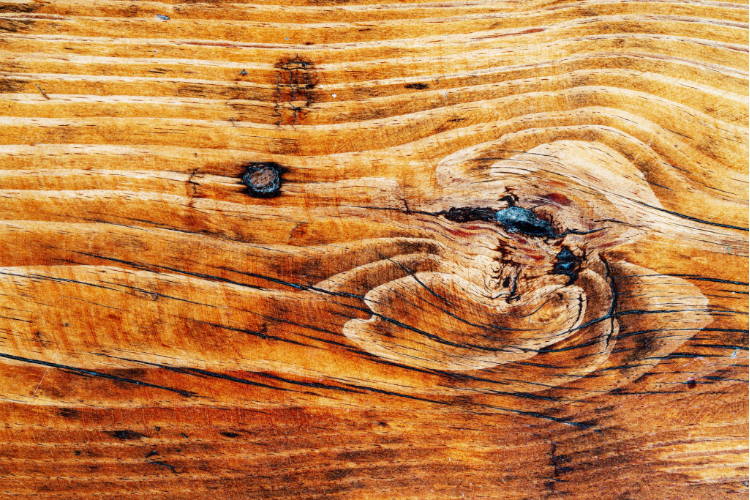
Solid wood is made directly from natural timber, such as teak, oak, or redwood. Unlike engineered boards, it is not compressed or bonded together with synthetic materials.
• Technical Insight:
Solid wood naturally expands and contracts depending on humidity and temperature. This is why proper preparation is extremely important. Before being used in furniture or built-in work, the wood should go through a standard kiln-drying process to reduce moisture content and help prevent warping, cracking, or shrinking over time.
• Advantages:
Solid wood is one of the strongest and most premium furniture materials. It can be sanded, repaired, and refinished many times when scratches or wear appear. Over time, natural wood can develop more character, warmth, and uniqueness, making each piece different from the next.
.
• Limitations:
Solid wood is usually the most expensive option. It also requires proper maintenance, including protection from excessive moisture, direct sunlight, and termites. If the wood is not properly dried, treated, or installed, it may warp, crack, or be affected by pests over time.
A Technical Comparison: Choosing the Right Material for Long-Term Value
Conclusion: “Value” Depends on How the Material Is Used
There is no single “best” material. The right choice depends on where it will be used, how often it will be used, and what level of durability you expect.
• For rental condos or bedroom cabinets with light to moderate use:
Melamine is the most cost-effective option. It offers a clean look, easy maintenance, and good value within a controlled budget.
• For kitchen counters, work desks, or high-traffic areas:
Laminate / HPL is the stronger choice in terms of durability for the price. It can handle daily use better and offers more design flexibility.
• For premium decorative work, long-term value, and timeless character:
Solid wood is an investment. It reflects taste, craftsmanship, and natural beauty — while also adding lasting value to the home over time.
At Ballang Intergroup, we believe that material selection should always match the homeowner’s lifestyle and usage needs. Our team analyzes every detail, from the internal structure to the surface finish, to ensure that every piece we deliver is not only beautifully crafted, but also durable, practical, and built to support a truly high-quality living environment.
At first glance, they may all look similar. Many come with wood-grain finishes, smooth surfaces, and colors that closely resemble natural wood. So it is completely normal for homeowners to wonder: what is the real difference between them?
In reality, these three materials are like the “three siblings” of the interior design world. They dominate the market because they cover a wide range of budgets, durability levels, and design needs — from cost-effective ready-made wardrobes to premium built-in furniture for luxury homes.
The challenge is that many homeowners choose materials based only on appearance. But what lies beneath the surface matters just as much as the design itself. Choosing the wrong material can affect not only how the furniture looks, but also how long it lasts, how easy it is to maintain, and whether it is truly worth the investment. In this article, Ballang Intergroup will walk you through the key differences between melamine, laminate, and solid wood — helping you choose the material that best suits your home, lifestyle, and budget.
1. Melamine: A Cost-Effective Choice for Interior Work
Melamine is not the wood itself. It is a resin-coated decorative paper that is pressed onto particle board or MDF using heat and high pressure. This creates a finished surface that can imitate wood grain, solid colors, or modern decorative patterns.
• Technical Insight:
The melamine surface bonds tightly to the board, creating a smooth, consistent, and low-maintenance finish. It offers a basic level of resistance to scratches, heat, stains, and common household chemicals, making it suitable for everyday interior use.
• Advantages:
Melamine is one of the most budget-friendly options for built-in furniture. It is easy to clean, available in many colors and patterns, and provides a clean, uniform look. Because the surface is already finished, it also helps reduce production time compared to natural wood or sprayed paint finishes.
• Limitations:
Melamine does not perform well in areas with constant moisture or water exposure. If water seeps into the edges, the inner board can swell easily. For this reason, edge sealing and proper edge banding are very important. It is also not ideal for furniture that needs to withstand heavy impact, outdoor conditions, or long-term humidity.
2. Laminate (HPL – High Pressure Laminate): Built for Durability and Design Flexibility
Laminate, especially HPL or High Pressure Laminate, is more advanced than melamine. It is made by pressing multiple layers of kraft paper together with resin under very high pressure, creating a strong sheet material that is usually around 0.6–1.0 mm thick. This sheet is then applied onto a structural board such as MDF, plywood, or particle board.
• Technical Insight:
Because laminate has multiple compressed layers, it offers much higher resistance to impact, scratches, and daily wear compared to melamine. It is also available in more realistic textures, such as embossed wood grain, deep natural wood patterns, stone finishes, marble effects, matte surfaces, and glossy decorative designs.
• Advantages:
Laminate is strong, durable, and suitable for areas that require heavier use. It has a longer service life than melamine and offers a much wider range of design options — from natural wood and stone patterns to metal, leather, fabric, and modern solid-color finishes. This makes it a popular choice for premium built-in furniture, kitchen cabinets, countertops, wall panels, and commercial interiors.
• Limitations:
Laminate is more expensive than melamine, both in terms of material and installation. It also requires skilled workmanship. If the surface is not properly glued, pressed, or edge-finished, problems such as peeling, lifting, or visible seams may occur over time, especially around corners and edges.
3. Solid Wood: Timeless Natural Value
Solid wood is made directly from natural timber, such as teak, oak, or redwood. Unlike engineered boards, it is not compressed or bonded together with synthetic materials.
• Technical Insight:
Solid wood naturally expands and contracts depending on humidity and temperature. This is why proper preparation is extremely important. Before being used in furniture or built-in work, the wood should go through a standard kiln-drying process to reduce moisture content and help prevent warping, cracking, or shrinking over time.
• Advantages:
Solid wood is one of the strongest and most premium furniture materials. It can be sanded, repaired, and refinished many times when scratches or wear appear. Over time, natural wood can develop more character, warmth, and uniqueness, making each piece different from the next.
.
• Limitations:
Solid wood is usually the most expensive option. It also requires proper maintenance, including protection from excessive moisture, direct sunlight, and termites. If the wood is not properly dried, treated, or installed, it may warp, crack, or be affected by pests over time.
A Technical Comparison: Choosing the Right Material for Long-Term Value
| Feature | Melamine | Laminate (HPL) | Solid Wood |
| Scratch Resistance | Moderate | Very high | Moderate, depending on wood type |
| Moisture Resistance | Low, can swell easily |
Moderate, resistant to splashes | High, if properly coated |
| Surface Repairability | Difficult, usually requires panel replacement | Difficult to repair | Excellent, can be sanded and refinished |
| Estimated Lifespan | 5 - 7 years | 10 - 15 years | 30+ years |
| Price Level | Low (Economy) |
Medium (Standard/Premium) |
High (Luxury/Investment) |
Conclusion: “Value” Depends on How the Material Is Used
There is no single “best” material. The right choice depends on where it will be used, how often it will be used, and what level of durability you expect.
• For rental condos or bedroom cabinets with light to moderate use:
Melamine is the most cost-effective option. It offers a clean look, easy maintenance, and good value within a controlled budget.
• For kitchen counters, work desks, or high-traffic areas:
Laminate / HPL is the stronger choice in terms of durability for the price. It can handle daily use better and offers more design flexibility.
• For premium decorative work, long-term value, and timeless character:
Solid wood is an investment. It reflects taste, craftsmanship, and natural beauty — while also adding lasting value to the home over time.
At Ballang Intergroup, we believe that material selection should always match the homeowner’s lifestyle and usage needs. Our team analyzes every detail, from the internal structure to the surface finish, to ensure that every piece we deliver is not only beautifully crafted, but also durable, practical, and built to support a truly high-quality living environment.